At the Paris Motor Show, which closed on the 16th, major manufacturers unveiled a succession of new EV models and concept cars, making the shift towards vehicle electrification (EV and PHEV) unmistakably clear as a major trend.
With that in mind, the new XPAND Code release is for "EV Charging Facilities."
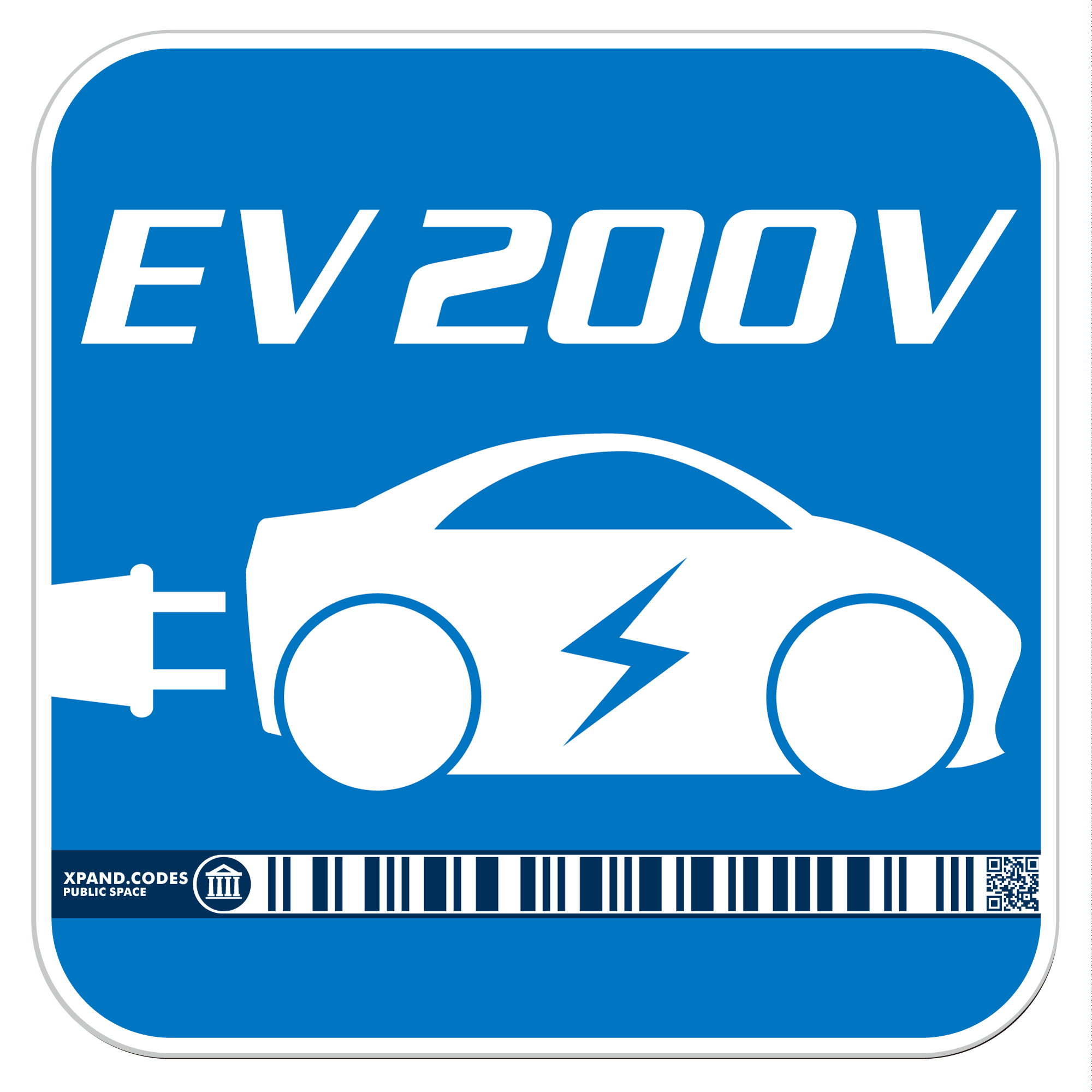
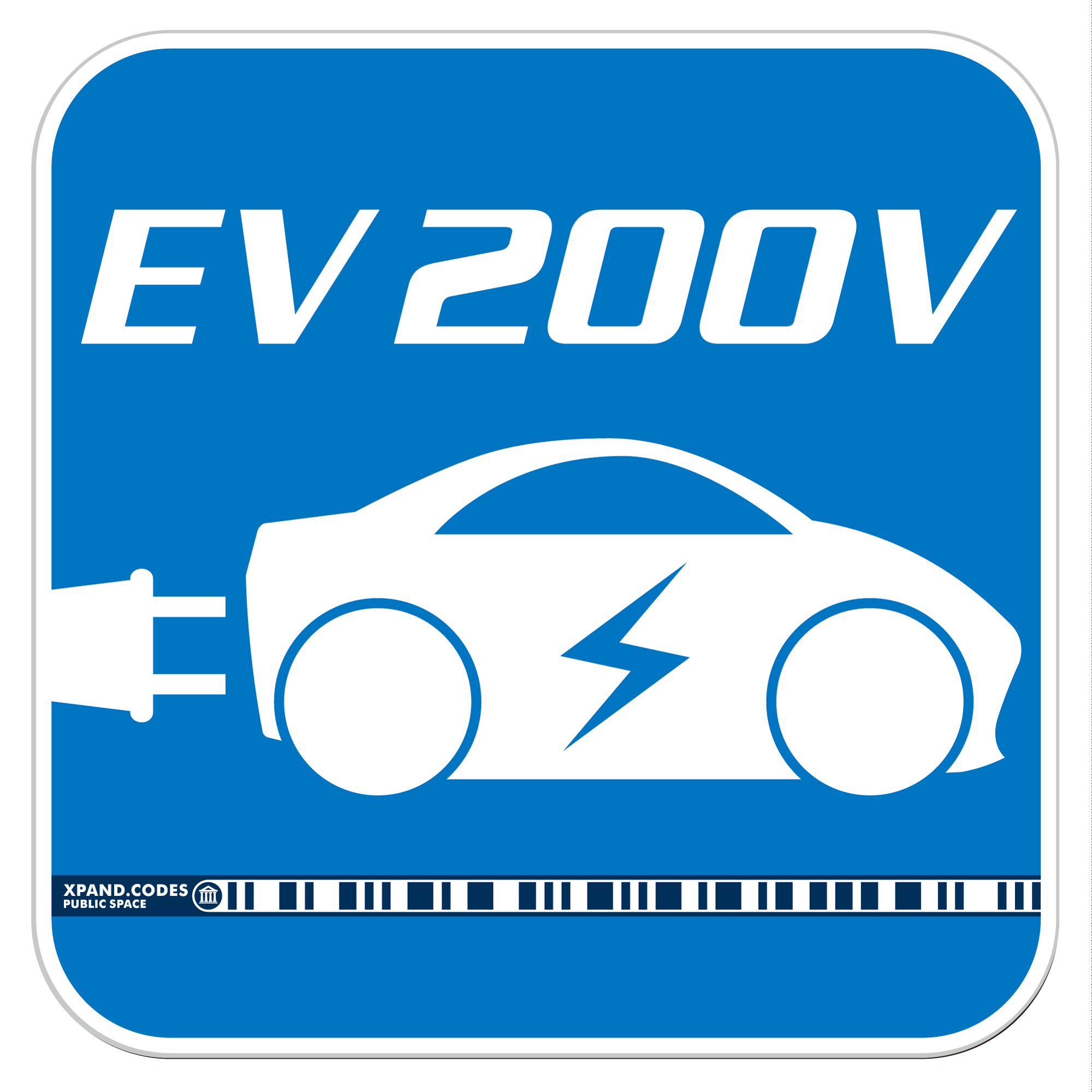
This one is for 200V standard chargers.
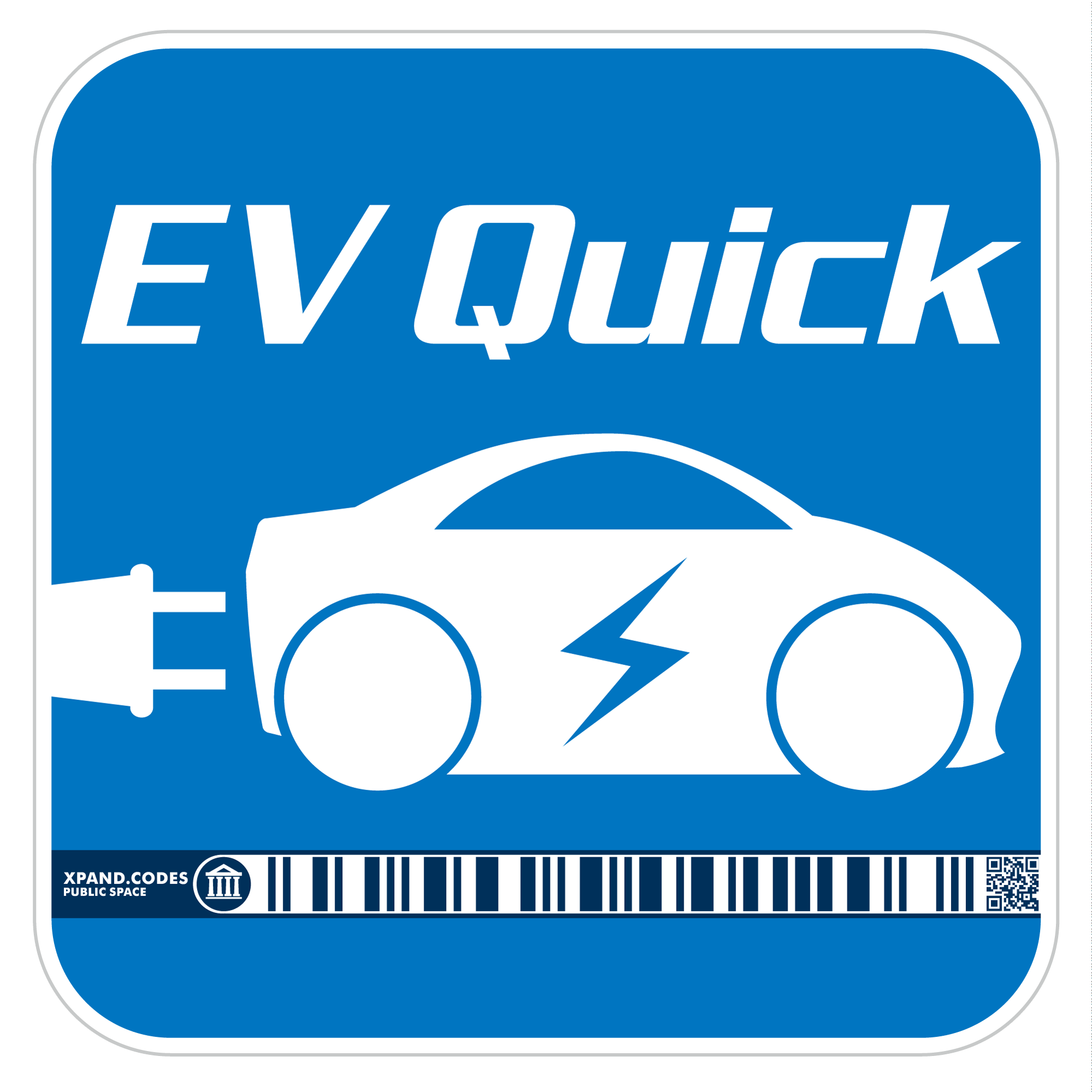
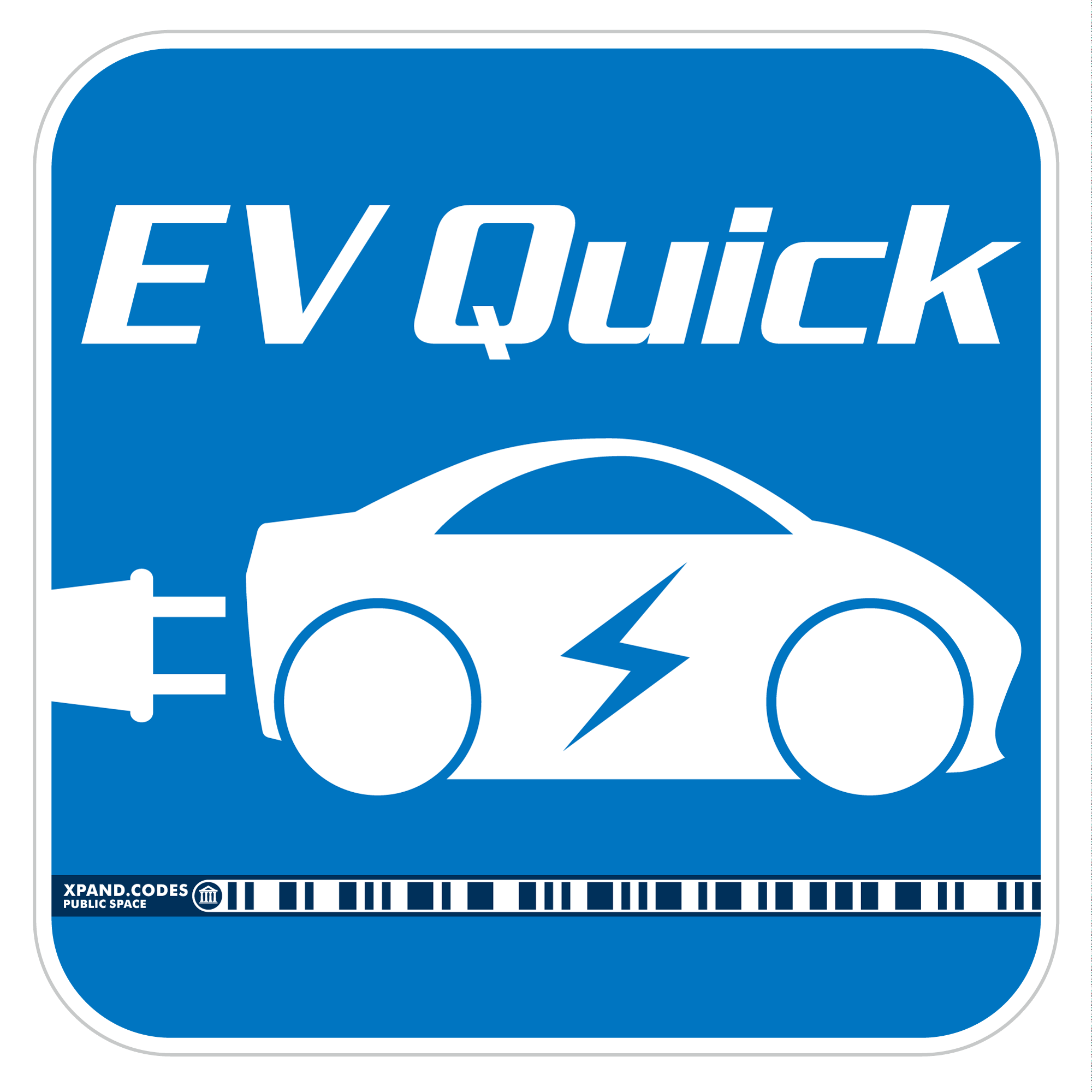
And this one is for rapid chargers.
Did you know that the total number of EV chargers installed across Japan — both rapid and standard — exceeds 10,000 units?
And yet, for most people the question is still: "Where on earth do you find an EV charger?"
Part of the reason is that those who don’t own an EV simply don’t pay attention to them — but there are also some issues with the signs used to indicate charging facilities.
The most widely used EV charging facility sign is the "CHARGING POINT" sign, which many of you will have seen. Many people assume it is an official statutory sign — but in fact, it is a registered trade mark belonging to a single company.
As a trade mark, its use requires a licence from the trade mark holder. Using it without authorisation could expose you to a damages claim or even criminal liability.
At present, use appears to be free of charge, but an individual application must be submitted, and conditions of use are imposed.
For instance, it may not be affixed to charging equipment or facilities prior to despatch, and it generally cannot be used in private areas such as residential blocks.
As a result, there are cases where adequate signage simply cannot be provided.
Whilst confusing use of signs is certainly a problem, signs should be placed where they are needed and in the numbers required. Our sign can be affixed wherever it is needed, without any use restrictions. We hope this will help make EV charging facilities far more visible.
For the avoidance of doubt, the "CHARGING POINT" sign is not mandated by law or regulation, so there is absolutely no problem in using our sign to indicate a charging facility. Our sign is also dissimilar to the registered trade mark "CHARGING POINT" and may be used with confidence, free of any trade mark infringement concerns.
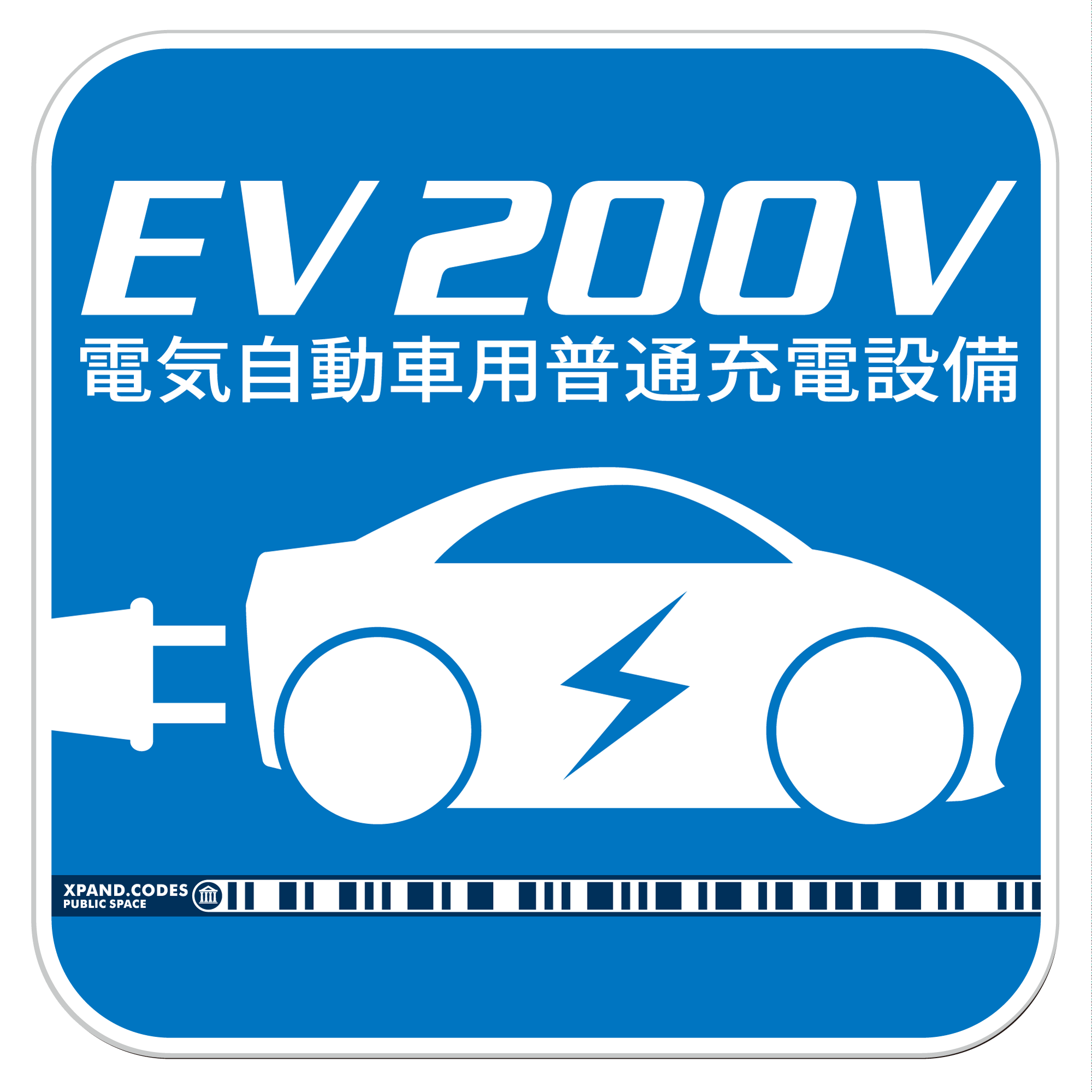
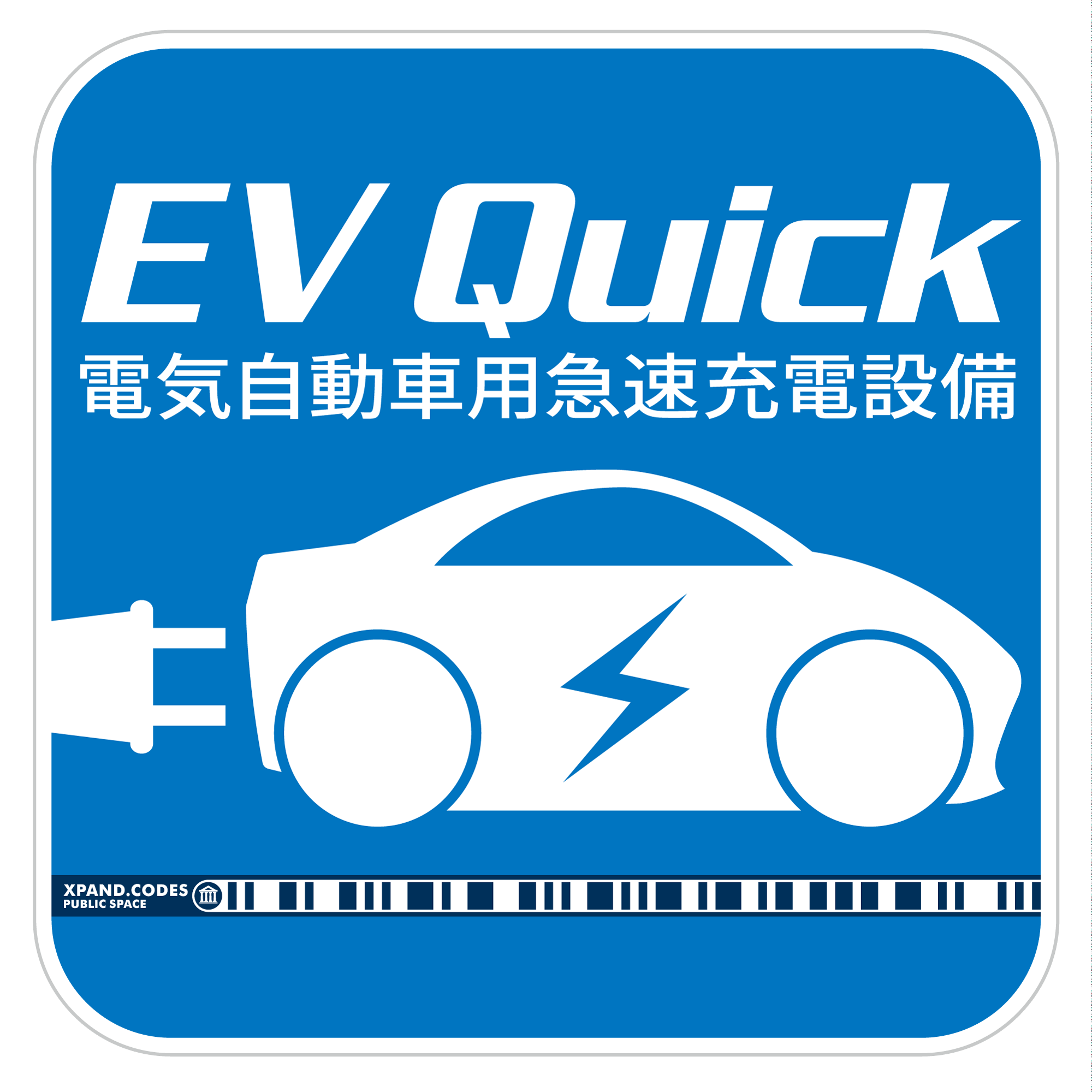
As a variation, we also offer a bilingual English/Japanese version.
Unlike previous XPAND Linked products, and given the intended application, this sign uses reflective sheeting with a surface laminate.
Shine a light on it and it stands out clearly, even at night (it is not phosphorescent and does not emit its own light).
The white areas have a slightly silver appearance, giving a cool and refined look.
The original design for this sign was created for use on our jointly developed product, the next-generation EV charger EEL-001 / EEL-011Λ series.
The sign itself proved popular in that application, so we have inherited and refined that design for this standalone release.
The car pictogram is inspired by a particular model from Lotus, a marque I have a great fondness for.
(Lotus doesn’t actually have an EV in its line-up, but its connection to electrification runs surprisingly deep.)